Guide
Ferrous and non-ferrous metals: the magnet test, and why it sets your price
Ferrous metals contain iron; non-ferrous metals do not. That one difference is the first thing any scrap yard looks at, because it is the difference between cents a kilo and dollars a kilo.
Ferro Lane RecyclersPrices read 24 November 20264 min read
Quick answer
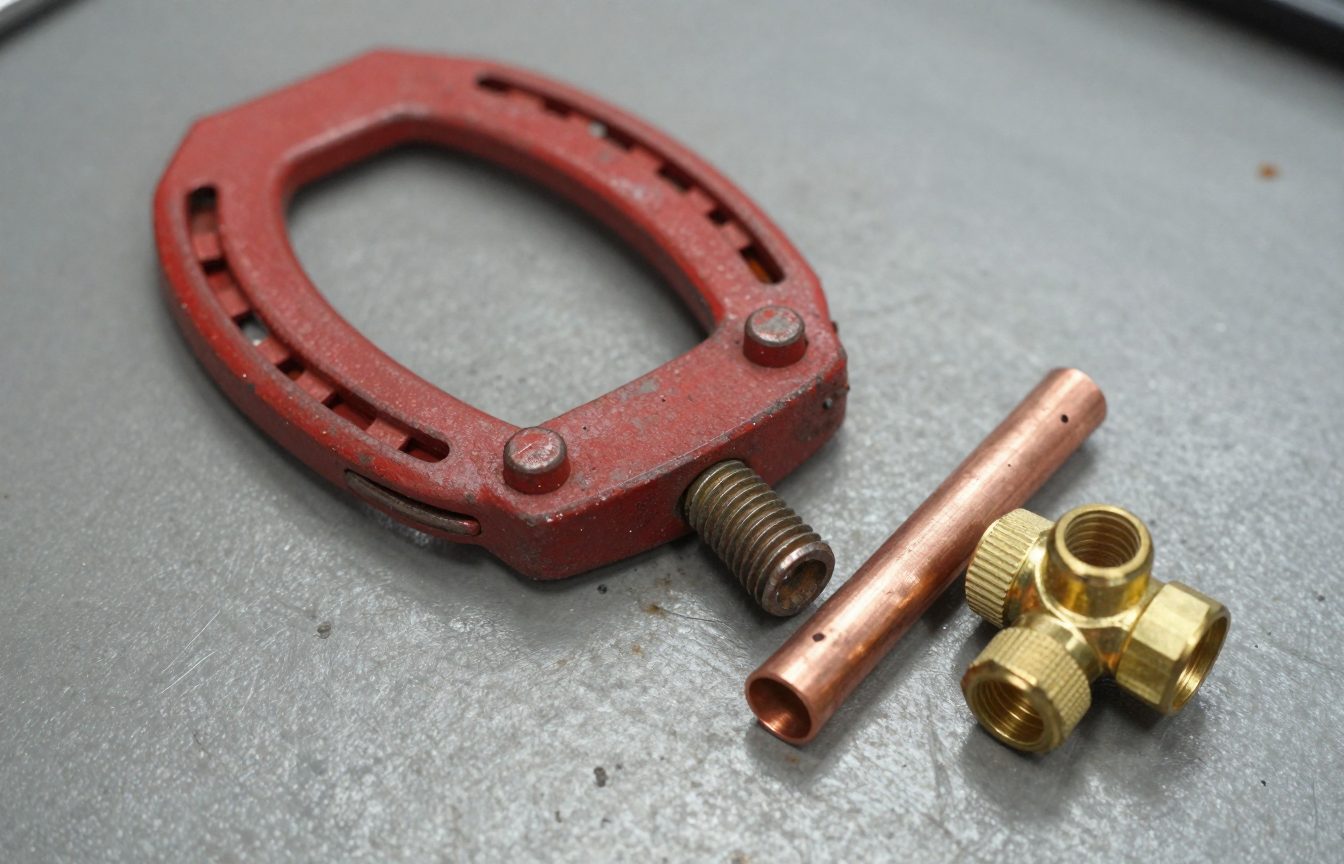
Ferrous metals contain iron: steel, cast iron, wrought iron. They are usually magnetic, they rust, and they are cheap as scrap. Non-ferrous metals contain no iron to speak of: copper, aluminium, brass, lead, zinc, nickel and tin. They do not stick to a magnet and pay many times more. On a Melbourne yard's list read 24 November 2026, heavy steel was $0.20 to $0.28 a kg; household copper pipe was $8.40 to $9.60.
Ferrous metals
Iron and its alloys. Steel (iron with a little carbon) is by far the most common: car bodies, roofing, beams, white goods, reinforcing bar. Cast iron turns up in old baths, engine blocks and pipes. Wrought iron is mostly in old gates and fences.
Ferrous scrap is heavy, plentiful and priced by the tonne. Victoria's Circular Economy Market Report 2026 counts it as most of the state's waste metal by weight, and most of it goes back into steel making.
Non-ferrous metals
Everything without iron as its base: copper, aluminium, brass (copper and zinc), bronze (copper and tin), lead, zinc, nickel, tin, plus precious metals. They resist rust, many conduct electricity well, and they are worth far more as scrap, which is why yards sort them first.
The magnet test
Take a fridge magnet to the yard, or to the shed before you load up.
- Sticks firmly: ferrous. Steel or iron.
- Does not stick: non-ferrous. Copper is reddish, brass yellow, aluminium light and silvery, lead very heavy and dull grey.
- Sticks weakly, or only in places: look again. It may be steel plated with brass or chrome, a steel screw in an aluminium part, or stainless steel that has been bent or worked.
The exception: stainless steel. It is iron-based, so strictly ferrous, but the common grades used in sinks and benches (304 and 316) are barely magnetic or not at all. Yards price them separately and well above plain steel, because of the nickel and chromium in them. See stainless steel scrap prices.
Why it sets your price
| Metal | Ferrous? | Melbourne yard list, read 24 November 2026 |
|---|---|---|
| Heavy steel | Yes | $0.20 to $0.28 a kg |
| Light steel, sheet | Yes | $0.11 to $0.13 a kg |
| 304 stainless | Iron-based, barely magnetic | $1.00 to $1.10 a kg |
| Aluminium extrusion | No | $2.20 to $2.60 a kg |
| Clean brass | No | $5.40 to $6.20 a kg |
| Household copper pipe | No | $8.40 to $9.60 a kg |
A steel screw left in a brass tap, or a steel bracket on an aluminium frame, can drop the whole piece a grade. Separate them before you go.
Common household items, sorted
| Item | Usually | What to check |
|---|---|---|
| Old fridge or washing machine | Ferrous (light steel or white goods) | Refrigerant gas must be recovered from fridges first |
| Copper pipe | Non-ferrous | Remove brass fittings for a better grade |
| Brass taps | Non-ferrous | Plastic and steel parts lower the grade |
| Window frames | Non-ferrous (aluminium) | Remove steel screws, rubber and glass |
| Car body | Ferrous | Sold as a car body, or by weight as light steel |
| Stainless sink | Non-ferrous price for nickel content, though it is an iron alloy | A magnet may stick weakly to some grades |
| Electric motor | Mixed: steel casing, copper windings | Paid as its own grade |
| Lead flashing | Non-ferrous | Keep it separate; it is dense and paid by weight |
Stainless steel is the one that confuses the magnet test. It is an iron alloy, but the common grades used in sinks and benches contain chromium and nickel and are only weakly magnetic or not magnetic at all. Yards pay stainless as its own grade, well above ordinary steel, because of the nickel. Our stainless steel scrap price guide explains the difference between 304 and 316.
How to sort a mixed pile
- Separate anything a magnet sticks to firmly. That is steel: heavy, light or white goods.
- From what is left, pull out copper, which is reddish-orange, and brass, which is yellow and heavy.
- Put aluminium aside, light, silver and non-magnetic.
- Set aside stainless pieces that are heavy and silver but barely magnetic.
- Keep lead and batteries separate, and wear gloves.
- Anything combined, such as motors, compressors and cables, goes in its own pile, because yards grade it as a mix.
Ten piles take longer than one, but the yard pays the price for each grade instead of the lowest price for the whole lot.
Common questions
What is a ferrous metal?
A metal containing iron, such as steel, cast iron and wrought iron. Most are magnetic and rust.
What is a non-ferrous metal?
A metal without iron as its base, such as copper, aluminium, brass, lead, zinc, nickel and tin. They do not stick to a magnet and are worth much more as scrap.
Is stainless steel ferrous or non-ferrous?
Ferrous, because it is iron-based, but the common 304 and 316 grades are barely magnetic. Scrap yards price stainless separately, well above ordinary steel.